Over 700 sites equipped across Europe — they trust us
A structured French value chain, figures for your reports
Our recycling service rests on a structured French value chain offering two paths: material recycling with our partner MéGO! (the first French plant for cigarette butt processing, based in Brittany) or energy recovery at certified regional units. In both cases you benefit from full traceability and figures usable in your regulatory reports.
2 streams to choose from
Material (MéGO!) or regional energy recovery depending on your CSR strategy and geography.
100% French value chain
No international transport, guaranteed traceability, exclusively French partners.
CSRD/Ecovadis-ready data
Volumes, CO₂ avoided, archived waste transfer notes. Direct integration into your regulatory reports.
Full compliance
EU SUP Directive, classified-site rules, regulatory audits covered as standard.
The hardware
Ashtrays designed to last, designed to make sorting easy
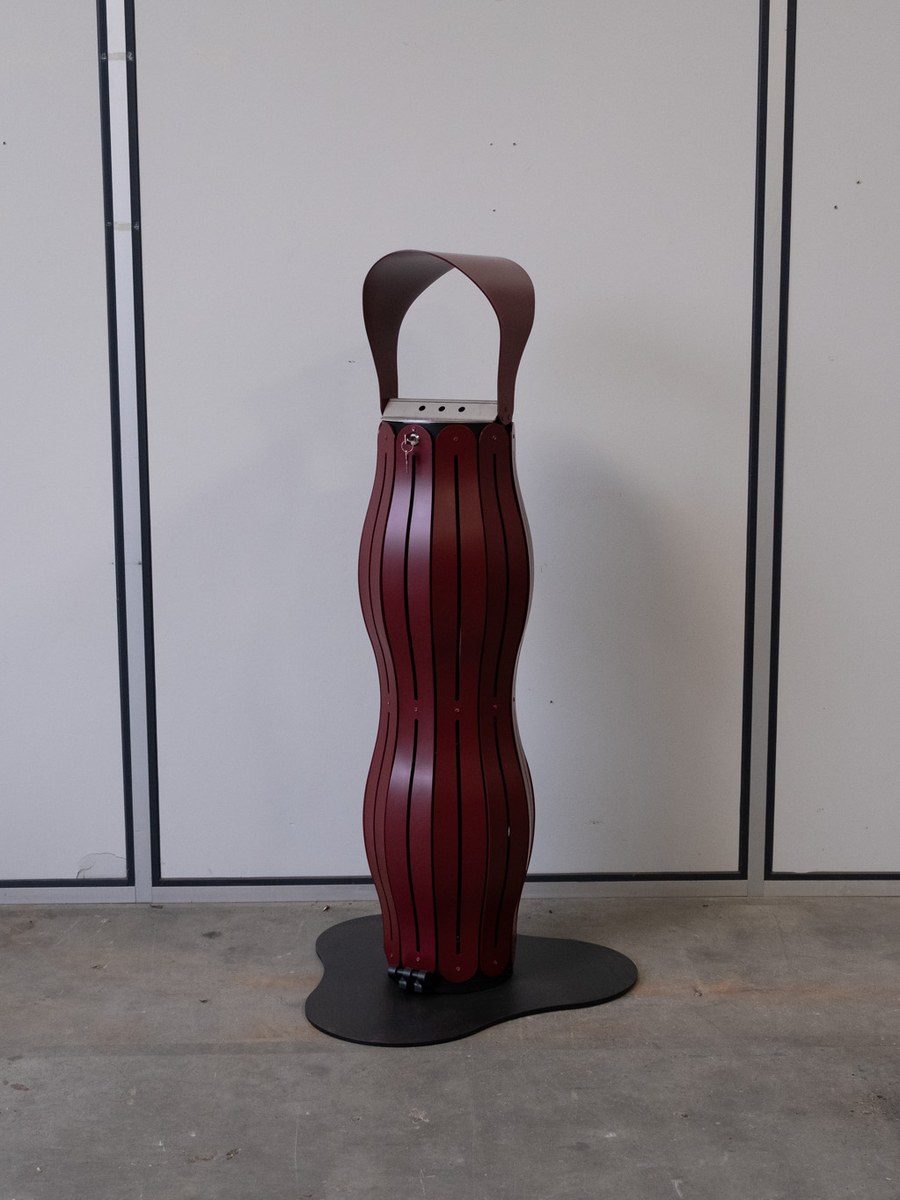
Galvanised steel Made in Picardie, 10,000 cigarette butt capacity, certified fire-safe hood, removable stainless steel inner cylinder — designed for clean, safe collection rounds.
Easy Premium Claret · full view
The journey of a cigarette butt
What actually happens to a cigarette butt collected at your site?
Four steps, from your ashtray to its second material life. The videos play as you scroll, filmed at our partners.
0101
Collection at your site
Collection starts as soon as your ashtrays are installed. The cigarette butts are gathered in sealed containers (buckets, drums or HDPE bags) to avoid odours and any combustion risk. Logistics handled by our partner clikeco, present across continental Europe.
0202
Regional consolidation
The containers are taken to regional partner sorting centres, where volumes are consolidated to optimise transport to the final treatment units. Grouped transport for 50 ashtrays represents a far smaller footprint than 50 individual journeys.
0303
Sorting and characterisation
The cigarette butts are sorted and characterised according to the chosen stream. For material recycling, a fine sort separates cellulose acetate (the filter, a type of plastic) from tobacco and ashes. For energy recovery, sorting is lighter: the butts are prepared directly for incineration in cement plants.
0404
Path A · Material recycling (MéGO!)
The acetate filter is washed, dried, then turned into plastic granulate. The tobacco and ashes are composted or recovered separately. The granulate is used by MéGO! and its partners to manufacture street furniture, insulation panels or various technical objects — a demonstrated material second life, not a promise.
04b
Path B · Energy recovery
The cigarette butts are dried then incinerated in certified cement plant units. The heat produced is used as substitute fuel in the cement-making process — each tonne of butts replaces the equivalent in coal or petroleum coke and indirectly powers the process electricity. More cost-effective than material recycling, but without component recovery.
Material recycling or energy recovery: how to choose?
A neutral comparison of the two streams to help you decide according to your strategy. Neither is universally better — the right choice depends on your context.
Criterion
Material recycling (MéGO!)
Energy recovery
Process
Fine sort + acetate separation + granulate transformation
Sites far from MéGO!, constrained budgets, baseline compliance
MéGO! — the first structured French value chain for material recycling
Before 2017, material recycling of cigarette butts barely existed in France. The creation of MéGO! structured a 100% French value chain, which materially changes the picture for companies engaged in a CSR approach.
🇫🇷 Complete French value chain
Sorting, transformation, granulate manufacture: the entire chain takes place in France. No international transport, full traceability, compliance with French waste management standards.
🔬 Technically validated process
The MéGO! separation and transformation process has been through several years of industrial development. The granulate produced is technically comparable to standard recycled plastic, usable by French street furniture manufacturers.
📊 Verifiable figures
Each collection generates a named waste transfer note and a precise volume. MéGO! annual certificates are usable with your statutory auditor as part of CSRD audits — the kind of evidence a CSR policy and a CSR action plan need to stand up.
Without a formalised value chain, several common risks should be anticipated for companies subject to CSR reporting:
Ecovadis score: the "waste management" criterion can be penalised in the absence of traceability.
CSRD: diffuse waste is progressively entering the Scope 3 reporting perimeter.
ISO 14001 audit: the visible presence of untraced cigarette butts can raise auditor comments.
CSR communication: unsourced data is fragile against a journalist or investor.
High-performance recycling
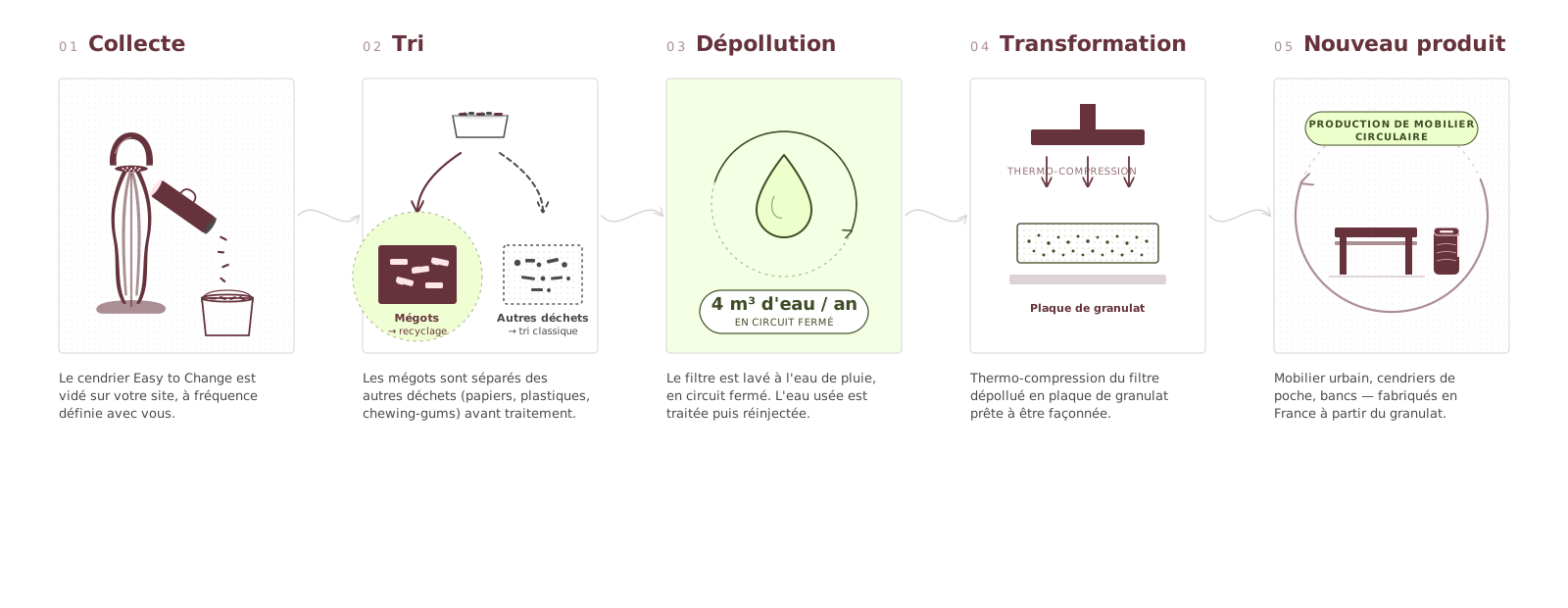
From cigarette butt to new product, in a closed loop
A 100% French value chain, with full traceability at every step
5 stepsFrom cigarette butt to street furniture
Collection · Sorting · Decontamination · Transformation · New product
Value chain diagram
100 %
French value chain
From collection at your site to furniture manufacture, entirely in France.
4 m³ / an
Closed loop
Filters washed with rainwater; the used water is treated then reinjected into the process.
BSD
Certified traceability
Waste transfer note and recycling certificate issued every quarter.
Quote within 24h
Quick reply from our commercial team
Free audit
An expert visits your site at no cost
100% French recycling
MéGO! + clikeco, waste transfer note traceability
Lifetime guaranteed hardware
Lasting investment, manufactured in Picardie
Quick estimate
How much will the service cost you
area(s)
employee(s)
Do you receive visitors at your site?
visitor(s) / day
3 How many sites to equip
sites total
4 How to handle collection
How much does it cost?
Receive pricing tailored to your activity by email
The final price depends on the stream you choose (material vs energy recovery), your geographic proximity to the MéGO! plant, and the volume processed. Tell us your context and we send a tailored pricing grid within 24 business hours.
No commitment
Pricing valid for 30 days
2-stream comparison included
Tailored reply within 24h
Receive the pricing grid
"
For our 2024 CSRD report, we needed robust figures on all waste, including diffuse streams like cigarette butts. The statutory auditor validated the MéGO! certificate and the impact calculation provided by Easy to Change without reservation.
CSR DirectorIndustrial mid-cap — 650 employees, multi-site in France
Frequently asked questions
Ask the right questions
What actually happens to a recycled cigarette butt with you?
For the material stream, the acetate filter is transformed into plastic granulate reused to make street furniture, insulation panels and various technical objects. Tobacco and ashes are composted or recovered separately. For energy recovery, the cigarette butt is incinerated in cement plants as substitute fuel.
What is the difference between material recycling and energy recovery?
Material recycling preserves the material (acetate) and turns it into reusable plastic granulate. Energy recovery burns the cigarette butt to recover its thermal energy. Material recycling is more expensive but enables robust CSR communication; energy recovery is more cost-effective but destroys the material. Detailed comparison ↑
How do I choose between the two streams for my company?
Two main criteria: your CSR strategy (strong commitment = material, baseline compliance = energy recovery) and your geography (proximity to MéGO! in Brittany/Pays de la Loire = material, sites far away = energy recovery).
Why does MéGO! change the picture in France?
MéGO! is the first French plant for the material processing of cigarette butts, based in Brittany. 100% French value chain, process technically validated at industrial scale, verifiable figures. Before MéGO!, material recycling of cigarette butts barely existed in France.
Is my data usable for CSRD and Ecovadis?
Yes — collected volumes (kg and units), CO₂ equivalent avoided, and treatment stream are provided in a format directly usable in your Scope 3 CSRD reporting and your Ecovadis, ISO 14001, ISO 26000 audits. MéGO! annual certificates are usable with your statutory auditor.
What documents will I receive at each collection?
At each collection: a named waste transfer note. Quarterly: a CO₂ impact report. Annually: a recycling certificate from the chain (MéGO! for the material path). For multi-site groups: an annual consolidated summary ready to integrate into the corporate CSR report.
Ready to structure your recycling stream?
Receive your tailored pricing grid, or request your quote directly. Free audit, no commitment.